
Habits That Actually Build Long-Term Success (And Why They Matter)
Habits that actually build long-term success are rarely dramatic, and they don’t feel significant in the moment they are performed. They are often quiet, almost unnoticeable actions—done without urgency, without the need for recognition, and without the expectation of immediate results. What gives them value is not how they feel, but how often they are repeated. Because repetition is what turns effort into something stable. It removes the need to decide each time and replaces it with a pattern you can rely on. And once that pattern is in place, progress stops depending on how you feel and starts depending on what you continue to do.
This is why habits matter more than intensity. Intensity can create a temporary shift, but it rarely sustains one. Habits, on the other hand, create continuity. They allow small actions to accumulate without resistance, gradually reshaping what once felt difficult into something that feels natural. Over time, this changes more than just your output—it changes your capacity. You begin to operate differently, not because you are forcing yourself to, but because the way you move forward has been reinforced enough times to become familiar. And in that familiarity, long-term success is built—not as a single outcome, but as a direction that continues to unfold.
Investing in your future isn’t about hoping something will work out in your favor. It doesn’t come from simply being exposed to the right idea at the right time, or from collecting opportunities and waiting for one of them to produce a result on its own. What actually creates value is far more deliberate than that. It begins when you choose to understand something properly—when you take the time to see how it functions, where it fits, and how it can be applied within the reality of your own situation. Because an opportunity, on its own, is neutral. It only becomes valuable when it is used with intention.
That is where the shift happens. Not in the moment you discover something new, but in the way you engage with it afterward. When you move beyond the surface and begin to work with it—learning how it operates, adjusting it to fit your needs, and applying it in a way that makes sense for you—something begins to take shape. Progress doesn’t arrive instantly, and it rarely announces itself in obvious ways at the beginning. But with time, your actions start to compound. Your understanding becomes clearer. What once felt uncertain begins to feel structured. And gradually, what you are doing starts to produce results that can be seen and measured.
This is what turns an idea into something real. When you invest in something and follow through on it consistently, it stops being separate from you. It becomes part of how you operate, part of the process you rely on to move forward. And once that happens, the dynamic changes. You are no longer waiting for potential to turn into something meaningful. You are creating that outcome through what you continue to do. Because in the end, the return is not found in the opportunity itself. It is found in the way you apply it—steadily, intentionally, and long enough for it to work.
Awaken The Giant Within Audiobook

Awaken The Giant Within Audiobook
The book is in audio format to listen to when you are on the go or exercising. Anthony Robbins the author of this book does not do the reading but is read by someone else who walks you through how to awaken your giant within in this audiobook.
The Five Second Rule Audiobook

The Five Second Rule Audiobook
Your MINDSET | The Secrets Billionaires Pay For (It Takes Only 1 Day) how to become rich mindset grow rich think and grow rich how to become rich motivational video
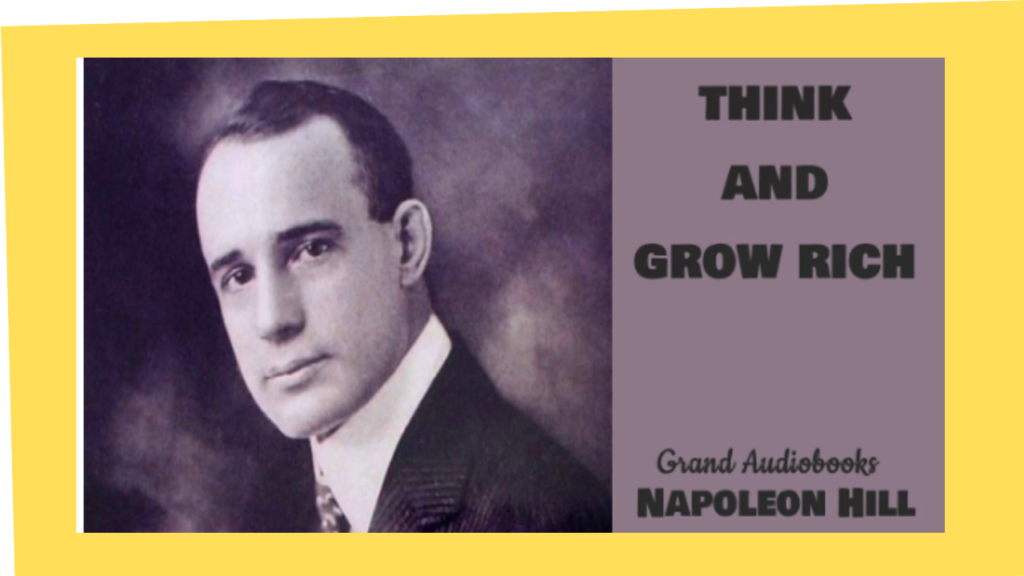
Think And Grow Rich Audiobook
Think and Grow Rich was written by Napoleon Hill in 1937 and promoted as personal development and “Self-improvement” and “How to Become Successful” book. He claimed to be inspired by a suggestion from business magnate and later-philanthropist Andrew Carnegie. While the book’s title and much of the writing concerns increasing income, the author insists that his philosophy can help people succeed in any line of work, to do and be anything they can imagine. .
How to Create a Video That Actually Connects and Delivers Value
Most people approach video the wrong way. They focus on recording something instead of communicating something. They think about what to say, how to say it, and how it will look—without ever asking what the viewer actually needs. And that’s why most videos get watched… but don’t lead anywhere.
Because connection doesn’t come from the act of creating. It comes from clarity. If your video doesn’t make something easier to understand, it becomes background noise. Something that fills time but doesn’t move anything forward. And without movement, there is no value.
That’s the first shift. Stop thinking about making a video. Start thinking about solving a problem. Not a broad one, not something abstract, but something specific that someone is dealing with right now. What are they trying to figure out? What feels unclear? What’s slowing them down?
Because when your video answers that directly, it becomes useful. And usefulness is what creates connection. Not personality, not production, not even confidence. Just the ability to make something clearer than it was before.
The second shift is focus. Most videos try to do too much. They explain multiple ideas, cover too many angles, and lose direction halfway through. And when that happens, the viewer has to work to keep up. That effort creates distance.
So instead, narrow it down. One idea. One point. One clear outcome the viewer can walk away with. Because when a video is focused, it becomes easier to follow. And when it’s easy to follow, it’s easier to understand.
Understanding is what holds attention. Not length, not editing, not visuals. Just clarity that builds from one point to the next without confusion. That’s what keeps someone watching.
The third shift is structure. Not a script that feels rigid, but a flow that makes sense. Where does the video begin? What does it lead into? How does it end? Because without structure, even a good idea can feel scattered.
A strong video starts by meeting the viewer where they are. It acknowledges what they’re trying to figure out. It connects to their current situation. Then it moves forward, step by step, showing them what they need to see next.

And by the end, something should be different. Not dramatically, but clearly. They should understand something they didn’t before. They should feel more certain about what to do next. That’s what makes the video valuable.
The fourth shift is how you communicate. Most people try to sound polished. They overthink their words. They try to get everything right. And in doing so, they lose clarity.
Because clarity doesn’t come from sounding perfect. It comes from being direct. Saying what matters in a way that’s easy to follow. Removing anything that doesn’t support the message.
When you speak simply, people understand you faster. When they understand you faster, they stay engaged. And engagement is what allows the message to land.
The fifth shift is relevance. Not what you want to say, but what the viewer needs to hear. Because there’s always a gap between those two. And if you don’t close that gap, the video won’t connect.
So instead of asking, “What should I include?” ask, “What would help someone right now?” That question filters everything. It removes unnecessary details. It sharpens the message.
Because relevance is what makes someone feel like the video is for them. And when something feels relevant, they pay attention.
The sixth shift is feedback. A video should not feel like a one-way explanation. It should feel like something the viewer can use. Something they can apply, test, or act on.
That doesn’t mean giving complex instructions. It means giving a clear next step. Something simple enough to try. Something that creates a small result.
Because when someone uses what you shared and sees something happen, the video becomes more than information. It becomes proof. And proof builds trust.
The seventh shift is consistency. Not in how often you post, but in how clearly you communicate. Because one good video can help, but many clear videos build something stronger.
Each one improves your ability to explain. Each one sharpens your thinking. Each one makes your message easier to understand.
And over time, that compounds. Not because you’re doing more, but because you’re getting clearer. And clarity is what creates connection at scale.
The final shift is intention. Why are you creating this video? Not broadly, but specifically. What should change for the viewer after watching it?
If that’s not clear, the video won’t be either. It will drift. It will include things that don’t matter. It will end without direction.
But when the intention is clear, everything aligns. The message becomes focused. The structure becomes stronger. The outcome becomes more likely.
Because in the end, a video that connects is not defined by how it looks. It’s defined by what it does. Does it make something clearer? Does it help someone move forward? Does it reduce hesitation?
If it does, it has value. If it doesn’t, it doesn’t matter how well it was produced.
That’s what most people miss. They try to improve the surface. The editing, the visuals, the delivery. But the real improvement comes from underneath.
From clarity. From focus. From understanding what actually helps.
Because when your video helps someone see something clearly enough to act on it, it stops being content. It becomes something useful.
And useful is what people return to. Not because they have to, but because it works.
Take Action Today
People who lose and achieve nothing in life do not make quick decisions NO they prgrastinate and um and are and become locked in indecision because of their FEAR of losing. They concentrate on this and turn it into reality and then they wonder why they don't succeed.
Science Of Getting Rich Audiobook

The Science Of Getting Rich Audiobook
The Science of Getting Rich is a book written by the New Thought Movement writer Wallace D. Wattles and published in 1910 by the Elizabeth Towne Company. The book is still in print after 100 years. It was a major inspiration for Rhonda Byrne’s bestselling book and film The Secret (2006). According to USA Today, the text is divided into 17 short, straight-to-the-point chapters that explain how to overcome mental barriers, and how creation, not competition, is the hidden key to wealth attraction.
How To Make A Vision Board
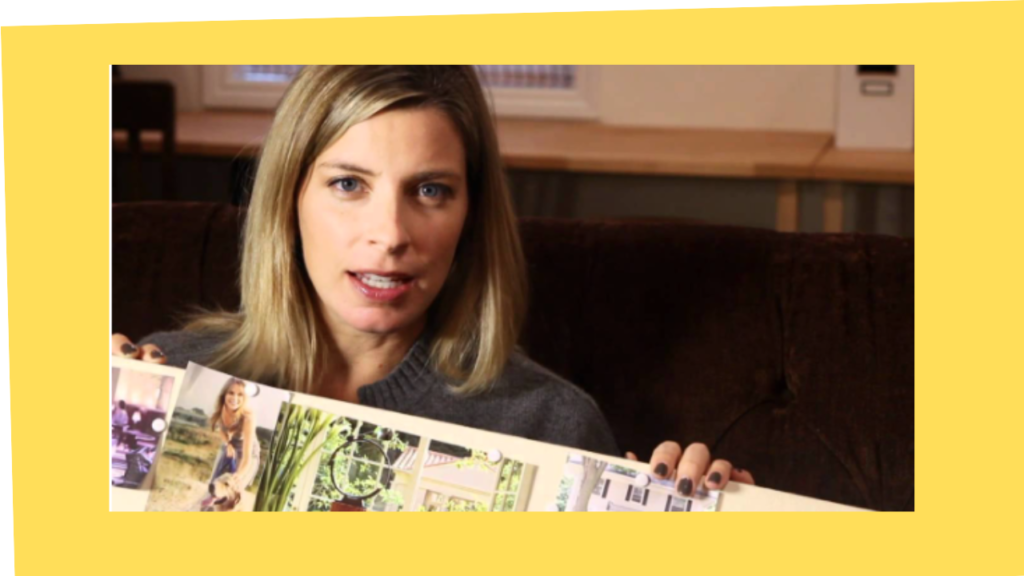
How to Make a Vision Board
This is explained in this video what it is you need to do and how you create an effective vision board for yourself. This somthing you put where you can see it every day.
Change Your Paradigm
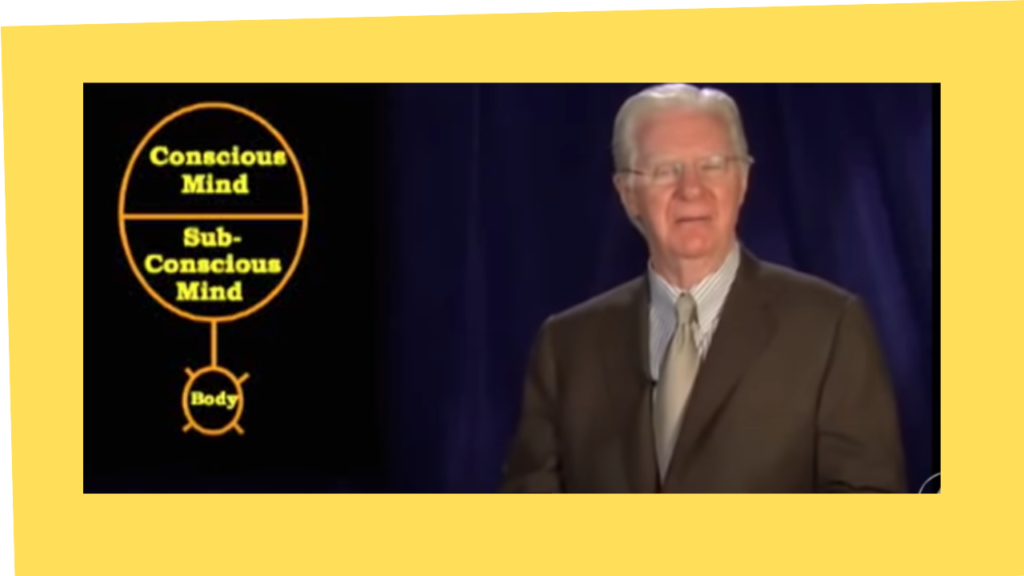
Change Your Paradigm
How to Change a Paradigm: Three Techniques That Can Change Your Life Forever. Bob Proctor explains how paradigms–a multitude of habits that are lodged in your subconscious mind—affect your behavior and your results. He also explains how to shift a paradigm to change your life forever.
How to Use Video Marketing to Build Income Online (That Actually Works)
Most people start using video with the same assumption. If they create enough content, stay visible, and keep showing up, income will follow. And for a while, that feels true. Views go up, engagement increases, and it seems like something is building.
But then the gap becomes clear.
Attention does not automatically turn into income. Because being seen is not the same as being understood. And if your videos don’t create clarity, they won’t create action.
That’s where most video marketing breaks down.
It becomes a cycle of posting more. Trying different formats. Chasing visibility without direction. And without direction, nothing compounds.
That’s the first shift.
Stop using video to be seen. Start using it to make something clear. Because income is not created by attention alone. It’s created when someone understands something well enough to act on it.
That means every video needs a purpose. Not a general idea, but a specific outcome. What should someone understand after watching this? What should feel easier, clearer, or more possible?
Because when that’s defined, everything else becomes simpler.
The second shift is focus. Most videos try to do too much. They explain multiple ideas, cover too many points, and lose direction halfway through. And when that happens, the viewer has to work to follow along.
That effort creates distance.
So instead, narrow it down. One idea. One problem. One clear takeaway. Because when a video is focused, it becomes easier to understand. And when it’s easier to understand, it becomes easier to act on.
That’s what leads to results.
The third shift is structure. Not in a rigid, scripted way, but in a way that guides the viewer from where they are to where they need to be. A strong video begins with something familiar. A problem, a question, or a point of confusion the viewer already recognizes.
Then it moves forward.
Step by step, it builds clarity. It shows what matters, removes what doesn’t, and leads to a clear conclusion. And by the end, something should change.
Not dramatically, but noticeably.
The viewer should understand something they didn’t before. They should feel more certain about what to do next. And that’s what creates value.

The fourth shift is communication. Most people try to sound polished when they create video. They script everything, overthink their delivery, and focus on getting every word right. But that often makes things less clear, not more.
Because clarity doesn’t come from perfection.
It comes from directness.
Saying what matters in a way that’s easy to follow. Removing unnecessary complexity. Speaking in a way that feels natural, not performed.
When your message is clear, people stay. When they stay, they understand. And when they understand, they move.
That’s the sequence.
The fifth shift is relevance. Not what you want to say, but what the viewer needs to hear. Because there’s always a difference between those two. And if your video doesn’t meet the viewer where they are, it won’t connect.
So instead of asking, “What should I include?” ask, “What would help someone right now?” That question changes everything.
It removes unnecessary ideas. It sharpens your message. It makes your video feel specific instead of general.
And specificity is what creates connection.
The sixth shift is direction. Every video should lead somewhere. Not in a forced way, but in a natural progression. If someone understands what you’re saying, what should they do next?
Should they try something?
Look at something differently?
Take a small step forward?
Because without that, the video ends… and nothing continues.
No momentum. No follow-through. No result.
But when there is direction, the video becomes part of a process. A path that leads from understanding to action. And that’s where income is created.
Not from the video itself, but from what happens after.
The seventh shift is trust. Video gives you something most formats don’t. It shows how you think. How you explain. How you approach problems. And over time, that builds something important.
Familiarity.
People begin to recognize your perspective. They start to understand how you approach things. And when that becomes consistent, trust starts to form.
Not instantly, but gradually.
And trust is what makes someone act on what you recommend. Not because they were convinced, but because it makes sense.
The eighth shift is consistency. Not just in posting, but in clarity. Because one video can help, but many clear videos build something stronger.
Each one improves your ability to communicate. Each one sharpens your thinking. Each one makes your message easier to understand.
And over time, that compounds.
Not dramatically at first, but steadily.
Until your content becomes more effective. More aligned. More capable of creating results.
The final shift is intention. Why are you creating this video? Not broadly, but specifically. What should change for the viewer after watching it?
If that’s unclear, the video will be too.
But when it’s defined, everything aligns. The message becomes focused. The structure becomes stronger. The outcome becomes more likely.
Because in the end, video marketing that actually works is not about creating more content.
It’s about creating content that leads somewhere.
Content that helps someone understand something clearly enough to act on it. Content that reduces hesitation. Content that makes the next step feel obvious.
And when you do that consistently, something changes.
Your videos stop being something people watch.
They become something people use.
And that’s where income begins.
Not from attention alone, but from clarity that leads to action—again and again.

Sells For $69 - NO COST TODAY!
Get Access to some FREE training NOW by Clicking Here