
The Mindset That Actually Moves You Forward—And How to Build It
The mindset that actually moves you forward isn’t built on constant motivation or the need to feel ready before you begin. It is built on a quieter, more stable foundation—the willingness to act even when clarity is incomplete, and to trust that understanding will develop through movement rather than before it. Most people wait until they feel certain, until the path looks clear enough to follow without resistance. But progress rarely begins that way. It begins when you decide that forward motion matters more than perfect conditions, and that hesitation, if left unchecked, will keep you in the same place longer than any mistake ever could.
Building that mindset is not about forcing confidence into place. It is about changing your relationship with action. When you start to see each step not as a final judgment, but as part of a process that refines itself over time, the pressure begins to lift. You allow yourself to move, to adjust, and to continue without constantly questioning whether you are doing it perfectly. And in that space, something shifts. Action becomes more consistent. Resistance loses its hold. What once felt uncertain starts to feel manageable. Over time, this creates a form of momentum that is difficult to interrupt—not because everything is clear, but because you have learned how to move forward without needing it to be.
Nothing replaces persistence. Not talent, because talent without follow-through rarely reaches its potential. It shows up quickly, often with promise, but just as quickly fades when it isn’t supported by continued effort. And it’s more common than it seems—people with the ability to do more, to create more, to become more, who never stay with something long enough to see what that ability could actually produce. Intelligence doesn’t replace it either. Knowing what to do, understanding the steps, seeing the path clearly—none of it creates movement on its own. Because understanding, no matter how complete, is not the same as execution. And execution only happens when you continue beyond the point where it would be easier to stop.
Even education, on its own, cannot guarantee progress. You can learn extensively, gather insights, and build a strong foundation of knowledge, and still find yourself in the same place if that knowledge is not applied consistently. This is where persistence separates itself from everything else. It doesn’t appear impressive in the beginning. It doesn’t draw attention or feel particularly powerful in the moment. But over time, it becomes the factor that carries everything forward. Because when you continue—when you stay with something past the point where most people step away—you begin to create an advantage that has nothing to do with natural ability.
You begin to outlast uncertainty, not by removing it, but by moving through it. You outwork hesitation, not by eliminating doubt, but by refusing to let it stop you. And while others pause, reset, or move on to something new, you remain in motion. That sustained movement is what changes the outcome. Not a single burst of effort, but a pattern of continuation that builds quietly over time. Persistence is not about pushing harder in isolated moments. It is about not stopping when progress feels slow, when results are not yet visible, or when the path requires more time than expected.
When you return to the work repeatedly, something begins to shift. What once felt difficult starts to become familiar. What once felt slow begins to find its rhythm. What once felt uncertain gradually becomes something you can rely on. This is how effort compounds—through consistency that does not depend on conditions being perfect. And as that consistency builds, it transforms the way you operate. You stop relying on potential as something separate from action, and instead begin turning it into results through what you continue to do.
That is why persistence matters in a way that nothing else quite does. It supports what talent alone cannot sustain. It activates what intelligence alone cannot produce. It takes effort and turns it into progress, not once, but repeatedly, until progress becomes expected rather than occasional. And when that becomes part of how you move forward, the difference is no longer in what you could do, but in what you actually create. Not because you are fundamentally different, but because you chose to continue when it mattered most.
Click Play Then Click The Square In The Right Lower Corner
1 Habit Billionaires Do Daily
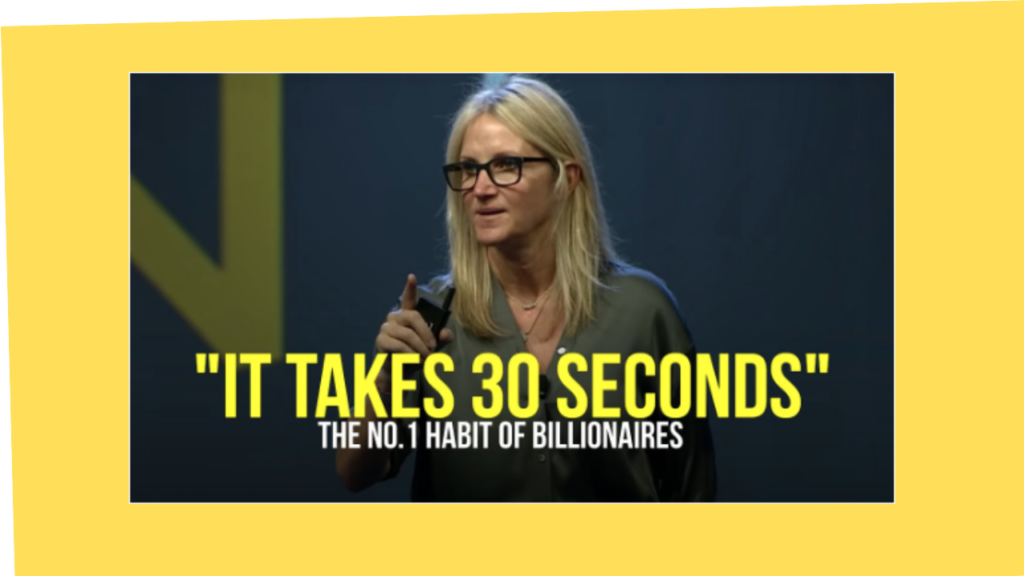
The No.1 Habit Billionaires Run Daily
You must become a master at visualization if you want to see you dreams and plans come true. This is mission critical.
Billionaire Visualization Video

Billionaire Visualization Video
This video give you a glimpse into the lifestyle of the super rich who have so much money coming in all the time that they can have the lifestyle others only dream of.
15 Signs Someone is Wealthy

15 Signs Someone is Wealthy
In this video, we’ll try to answer the following questions:
What are some subtle signs someone is wealthy? What are some non-obvious signs someone is wealthy? How to tell if someone is secretly rich? How to tell if someone is actually wealthy? What are the tale-tell signs someone comes from money? How can you tell if someone is old money or new money? How to pin-point someone who has money from a crowd? How do you know if you’re dating someone rich? What are the signs someone is pretending to be rich? What are some clues someone is actually rich? What sets rich people apart? Do rich people look differently? How do rich people act? How do you act like a rich person? What is an example of wealth? What is the difference between a rich person and a wealthy person? How do you describe a rich person? What can make a person rich? How can I look rich and classy? How can I look attractive? How can I become rich in one year? How can I look rich without being rich? How can I look more rich? How can I become rich? How do billionaires dress? How do CEOS dress? What brands do rich wear? Do rich people go grocery shopping?
Mindset Shift That Actually Moves You Forward (Video)
The idea that a single mindset shift can move you forward often sounds too simple to be taken seriously. It can feel like something abstract—something that belongs more to motivation than to real progress. But the truth is, the way you think determines how you act, and the way you act determines what actually changes. What makes the difference is not the intensity of the shift, but the direction it creates. When your thinking changes in a way that leads to consistent action, even small adjustments begin to produce outcomes that were previously out of reach.
A video, in this context, becomes more than just content. It becomes a moment where perspective is transferred in a way that is easier to absorb. You hear the tone, you see the intention, and something connects more directly than it would through words alone. But watching a video, no matter how clear or insightful it is, does not create progress by itself. It can highlight what needs to change, it can show you what is possible, but it cannot take the step for you. The shift only becomes real when it moves from observation into application.
What actually moves you forward is a change in how you relate to action. Instead of seeing action as something that requires certainty, you begin to see it as the process that creates certainty. This is where most people hesitate. They wait to feel ready, to feel confident, to feel sure that what they are about to do will work. But those conditions rarely appear in advance. They develop as a result of movement, not as a prerequisite for it. When you begin to understand that, the hesitation starts to lose its hold. You stop waiting for the right moment and start using the moment you have.
This shift does not eliminate doubt. It changes how you respond to it. Instead of treating doubt as a signal to pause, you begin to see it as part of the process. Something that will naturally exist whenever you are doing something that matters. And once you stop trying to remove it, you gain the ability to move alongside it. That is where progress begins to feel more consistent. Not because everything is clear, but because you no longer require it to be.
There is also a shift in how you view effort. Instead of expecting immediate results from what you do, you begin to see effort as something that accumulates. Each action, no matter how small, adds to something larger. This removes the pressure to make every step significant on its own. It allows you to focus on continuation rather than perfection. And when continuation becomes the priority, consistency follows more naturally. You show up again, not because you are certain of the outcome, but because you understand that the outcome depends on you continuing.
Over time, this creates a different experience of progress. It becomes less about isolated wins and more about steady movement. You begin to recognize that what once felt slow is actually building something stable. That the repetition you once questioned is what is making everything easier to sustain. And in that realization, the need to constantly seek something new begins to fade. You start to work more deeply with what you already have, refining it instead of replacing it.

Video, when used intentionally, can support this process. It can reinforce ideas, provide clarity, and remind you of the direction you are choosing to move in. But its value is not in how often you watch it. It is in how you use what it shows you. When a concept from a video becomes something you apply, something you return to, something you test in your own experience, it stops being information. It becomes part of your process. And that is where its real impact begins.
The mindset shift that actually moves you forward is not dramatic. It does not require a complete reinvention of who you are. It is a subtle but important change in how you approach what you are doing. You stop waiting for clarity and start creating it through action. You stop expecting immediate results and start allowing results to build. You stop seeing doubt as a barrier and start recognizing it as something you can move through. And in making those shifts, you begin to operate in a way that supports progress instead of delaying it.
As this way of thinking becomes more familiar, something begins to change in how you experience your work. It feels less like something you are forcing and more like something you are participating in. The resistance that once slowed you down begins to lose its influence. The process becomes something you can return to without hesitation. And over time, that return becomes consistent enough to produce results that are no longer occasional, but expected.
In the end, what moves you forward is not what you watch, what you learn, or even what you intend to do. It is what you continue to do after the moment of insight has passed. The video may provide the shift, but you create the outcome. Through action that follows through, through consistency that builds quietly, and through a willingness to stay with the process long enough for it to work. Because progress is not created in a single moment of understanding. It is created in the way you carry that understanding forward, again and again, until it becomes part of how you move.
Click Play Then Click The Square In The Right Lower Corner
15 Lessons The Rich Teach Their Kids

15 Lessons Rich Parents Teach Their Kids That The Poor Don’t
In this Alux.com video, we’ll try to answer the following questions: What do rich people teach their kids? What should my kids learn to be successful in life? What should I teach my kids? What are kids supposed to learn to be happy ? What do children need to learn to be successful in life? Do kids need to learn about money? Are children supposed to learn how money works? Should I teach my kids about assets and liabilities? Should my kids learn about buying a car and a house? Why are kids so entitled? Should children learn how to be sociable and connect with others in the school? Should children learn about mental faculties in school? Do children need to learn about habits in school? What’s the difference between knowing and doing? How are children going to get rich in the future? Should my kids go to school?
Your To Casual Earl Nightingale
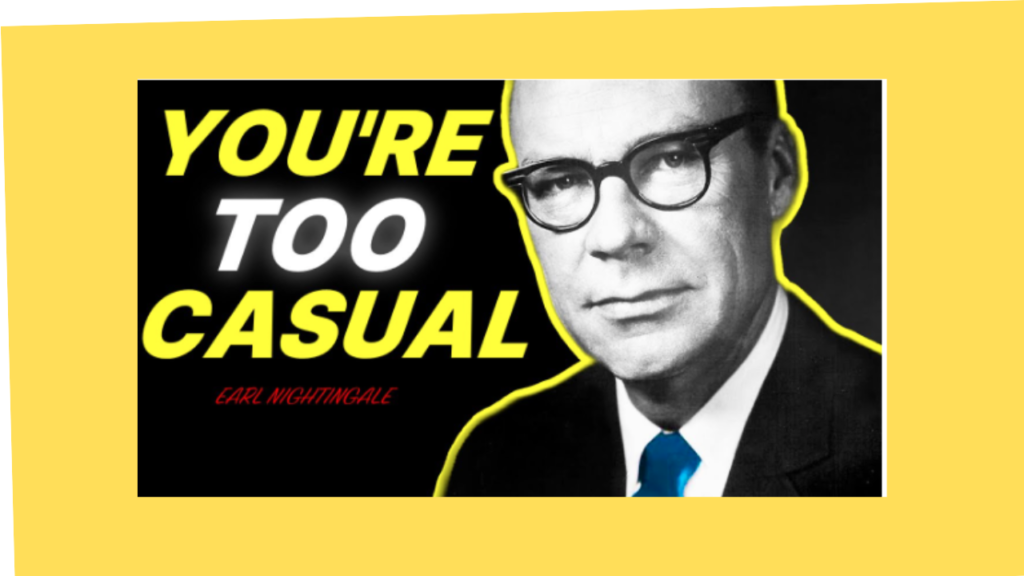
Your To Casual Earl Nightingale
Successful people take calculated risks. They don’t play it safe like the 98 % do because they understand that there is no such place as safe or playing it safe. Those who indulge in this belief do not win ever. It is the risk-taker who generally gets the spoils in life.
FAIR-USE COPYRIGHT DISCLAIMER * Copyright Disclaimer Under Section 107 of the Copyright Act 1976, allowance is made for “fair use” for purposes such as criticism, commenting, news reporting, teaching, scholarship, and research. Fair use is a use permitted by copyright statute that might otherwise be infringing. Non-profit, educational or personal use tips the balance in favor of fair use. 1) This video has no negative impact on the original works 2) This video is also for teaching purposes. 3) It is transformative in nature.
15 SKILLS You Need To Develop To Be RICH
15 SKILLS You Need To Develop If You Want To Be RICH
In this video, we’ll try to answer the following questions:
What skills do you need to get rich? What are the traits of successful people? What do rich people know that the poor don’t? How do you get rich? What do you need to learn to get rich? What should you study if you want to get rich? Which are the traits that predict success in life? What skills are paid the best? Which skills can make you rich? What skills will make you wealthy if you use them? How to test if you are going to be successful? What are the secrets of the rich? What do the rich people know that the poor don’t? How to work harder? How to work smarter? How to oursource your work? How to improve productivity? How to achieve your goals?
Take Action Today
People who lose and achieve nothing in life do not make quick decisions NO they prgrastinate and um and are and become locked in indecision because of their FEAR of losing. They concentrate on this and turn it into reality and then they wonder why they don't succeed.
How Video Becomes a Tool That Actually Moves You Toward Your Goals
Most people treat video as something they create, not something they use. They record content, post it, and move on, assuming that visibility alone will create progress. For a while, it feels like something is happening, because there is activity, there is output, and there is a sense of movement. But activity is not the same as direction, and without direction, nothing actually changes.
The difference begins with how you see video. When you treat it as content, it becomes something you produce. When you treat it as a tool, it becomes something that produces for you. That shift matters, because a tool is only valuable when it creates a result, not when it simply exists. If your videos are not leading to something clear, they become effort without outcome.
That is why purpose comes first. Every video needs a defined role, not a general intention. It should help someone understand something specific, remove a point of confusion, or guide them toward a clear next step. Without that, the video may be watched, but it will not be used, and if it is not used, it cannot move anything forward.
Clarity is what turns a video into something useful. Most videos lose their impact because they try to do too much at once, covering multiple ideas without fully resolving any of them. When that happens, the viewer has to work to follow along, and that effort creates distance. But when a video focuses on one idea and develops it clearly, it becomes easier to follow, and when it is easy to follow, it becomes easier to act on.
Click Play Then Click The Square In The Right Lower Corner
Jim Rohn - The Set Of The Sail
Jim Rohn – The Set Of The Sail
In this clip legendary Personal Development philosopher Jim Rohn (1930-2009) gives us perhaps his most important observation. It’s not what happens to us, it’s what we do about it. Also known as “The Set of the Sail”.
The Strangest Secret In The World
The Strangest Secret In The World
Listened to this for the first time almost 10 years ago, and replayed it at least 100+ times since – i planted my seed, watered it, and gave it lightly daily. I’m living proof that this seminar is life-changing. I AM IN THE TOP 5%, everything I said I’d do. I did it, and this recording was the biggest turning point in my life. – Listen closely to this message!!!! It can do the same for you if you apply it to your life.
This is a comment left on the channel about how paying this works.
How Great Leaders Inspire Action
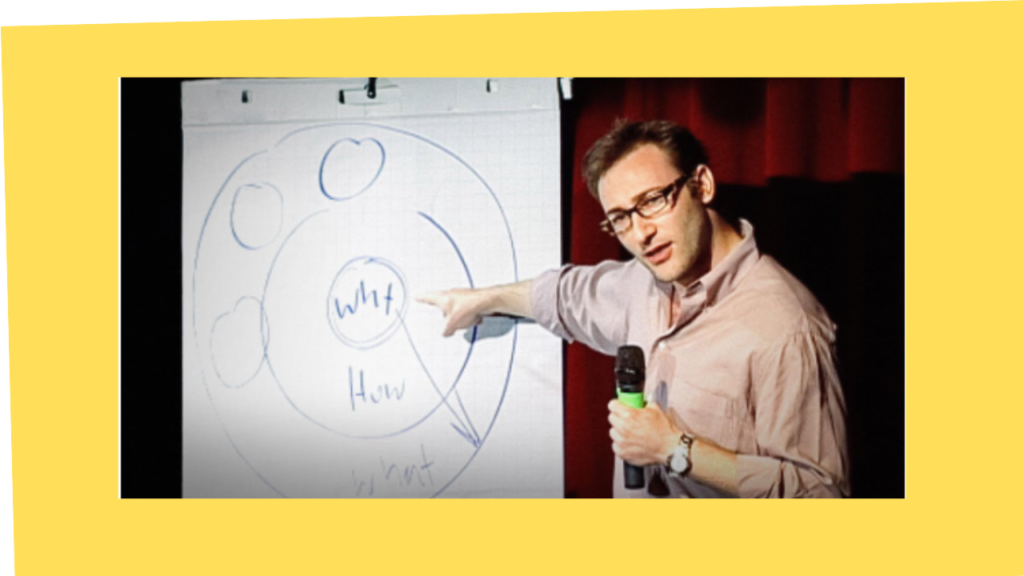
How Great Leaders Inspire Action
Simon Sinek presents a simple but powerful model for how leaders inspire action, starting with a golden circle and the question “Why?” His examples include Apple, Martin Luther King, and the Wright brothers — and as a counterpoint Tivo, which (until a recent court victory that tripled its stock price) appeared to be struggling.
Structure is what supports that clarity. A video that moves someone forward has a natural progression. It begins with something familiar, something the viewer already recognizes as a problem or point of uncertainty. It then builds understanding step by step, removing confusion and making the idea more usable. And by the end, it does not simply conclude—it directs, giving the viewer a clear sense of what to do next.
That direction is what most videos are missing. Without it, the video ends, and so does the momentum. The viewer may understand more than before, but without a next step, nothing continues. A useful video does not stop at explanation; it creates movement. It leads the viewer from understanding into action, even if that action is small.
Relevance is what makes that possible. A video cannot connect if it is built around what you want to say instead of what someone needs to hear. There is always a gap between those two, and closing that gap is what makes the content effective. When a video speaks directly to what someone is trying to figure out right now, it becomes immediate, and that immediacy is what holds attention.
Consistency is what turns individual videos into something more powerful. One clear video can help, but many clear videos create momentum. Each one improves how you communicate, sharpens how you think, and strengthens how your message is received. Over time, that consistency compounds, not through dramatic change, but through steady improvement.

F
Feedback is what allows that improvement to happen. A tool must show you something in return, and video is no different. What matters is not just how many people watch, but what happens after they do. Do they understand something more clearly, do they respond differently, do they take action? Those signals tell you whether the video is working, and they show you what to refine.
Simplicity is what keeps the process sustainable. Most people overcomplicate video by focusing on production, editing, and presentation, but those are not what make a video effective. Clarity is. If the message is clear, the video works. If it is not, nothing else compensates for it. People stay for what they gain, not for how it looks.
Alignment is what ties everything together. Your videos should not exist separately from what you are trying to achieve. Each one should move something forward, support a larger direction, and connect to a clear outcome. When that alignment is present, the process becomes easier, because you are no longer guessing what to create or why it matters.
In the end, video becomes powerful when it is used with intention. It is not about creating more, but about creating with purpose. It is about making something clearer, reducing hesitation, and guiding someone toward action. When that happens consistently, video stops being content and becomes a tool.
And a tool, when used properly, does not just fill space. It creates progress.
Click Play Then Click The Square In The Right Lower Corner
Do What The 99% Are Not Doing
Do What The 99% Are Not Doing
Here in this video Denzel Washington lays it out what you must do if you do if you do not want to be in the 99% group who are not willing to follow this advice from someone who has been there and done it and is speaking through experience.
Arnolds - 6 Rules of Ssuccess
Arnolds – 6 rules of success
The best bodybuilder of all time, Arnold Schwarzenegger’s motivational speech about his 6 rules to success ,I made this video because no video I found had subtitles.A video to see and share without moderation.And as Arnold says, NEVER GIVE UP !!
The Movie The Secret
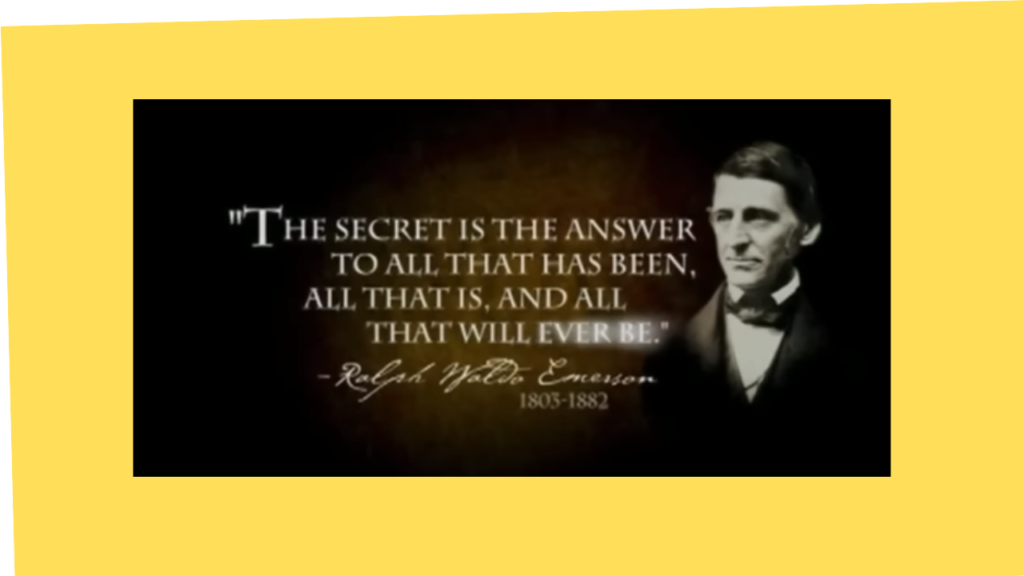
The Movie The Secret
The Secret is a best selling self-help Video for success by Rhonda Byrne _Bob Proctor. It is based on the law of attraction.
Click Play Then Click The Square In The Right Lower Corner
BUILD WEALTH Starting With $0

Jaspreet Singh – Entrepreneur Investor
Watch this interview with someome who knows what everybody should be doing to acquire financial stability and freedom for themselves,
Add Your Heading Text Here
Click Here For Bonuses
Lorem ipsum dolor sit amet, consectetur adipiscing elit. Ut elit tellus, luctus nec ullamcorper mattis, pulvinar dapibus leo.
Add Your Heading Text Here
Click Here For Bonuses
Lorem ipsum dolor sit amet, consectetur adipiscing elit. Ut elit tellus, luctus nec ullamcorper mattis, pulvinar dapibus leo.

Sells For $69 - NO COST TODAY!