
Print-On-Demand Store Opportunities That Actually Help You Start and Grow
Print-on-demand store opportunities that actually help you start and grow don’t begin with the products themselves. They begin with how those products connect to something real—an idea, a message, or a point of view that people recognize and relate to. Without that connection, a store becomes a collection of items with no direction behind them. But when that connection is clear, each product becomes an extension of something meaningful. It carries a purpose beyond the design, and that purpose is what allows it to stand out in a space where options are endless.
What makes this model work over time is not how many products you create, but how intentionally you build around what you offer. When you focus on clarity—on who it is for, why it matters, and how it fits into someone’s life—the process becomes more structured. You are no longer guessing what might sell. You are creating with a direction that guides your decisions. And as that direction becomes more defined, growth becomes easier to sustain. Not because it happens quickly, but because it is built on something that holds—something that can be expanded, refined, and developed into a store that doesn’t just exist, but continues to move forward.
You begin to see that this approach changes the way the process feels. It removes the pressure to understand everything at once and replaces it with something more manageable. Instead of trying to solve the entire picture in a single step, you move through it gradually—building one part, then the next, allowing your understanding to develop as you go. That progression makes the work more practical. It gives each step a purpose, and it allows you to engage with what you are doing in a way that feels steady rather than overwhelming.
And when something feels usable, you are far more likely to stay with it. That is where consistency begins to take hold—not through force, but through familiarity. You return to the process, you continue to refine it, and over time, that repetition begins to shape what you are building. Your store is no longer guided by guesswork or scattered ideas. It starts to reflect what you have learned through doing, through testing, and through paying attention to what actually works.
As this continues, your direction becomes clearer. The decisions you make carry more intention behind them. You are no longer reacting—you are building with awareness. And that is what gives the process its strength. Not speed, not shortcuts, but the ability to create something that fits. Something you understand, something you can work with, and something you can continue to develop over time into a store that not only exists, but grows in a way that is aligned and sustainable.
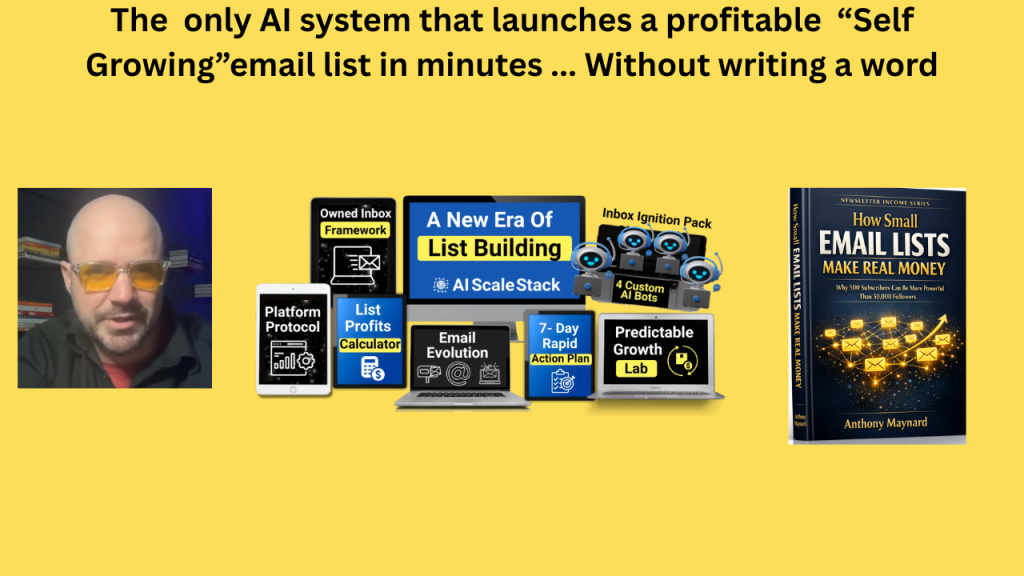
AI Scale Stack
Click Here For Bonuses
You will learn how to make money simply by uploading images to a secret website. Max has been doing this method for over a year and makes multiple thousands per month simply uploading images.
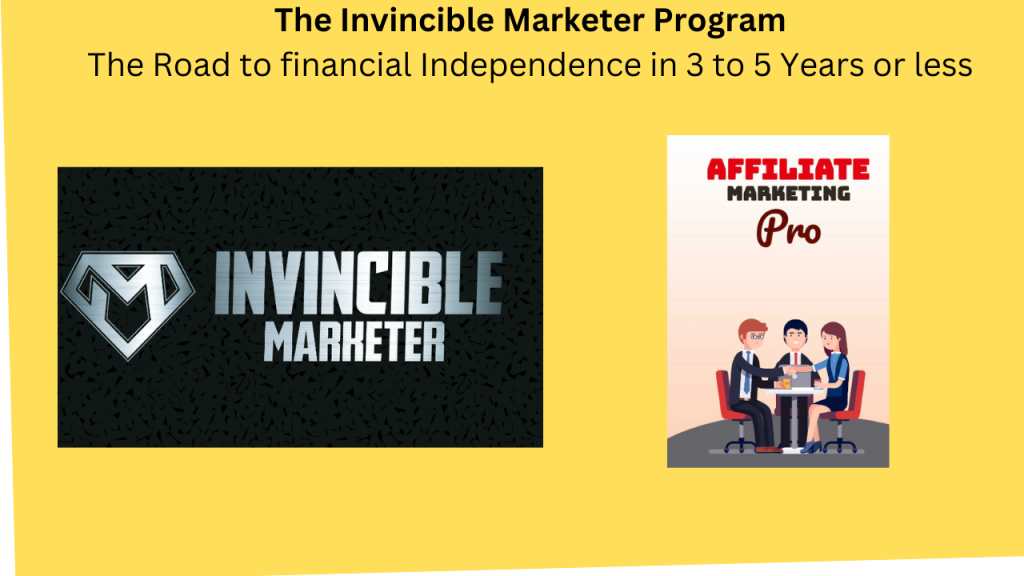
Invincible Marketer
Click Here For Bonuses
The Invincible Marketer Program
A step-by-step guide to putting your affiliate marketing business on steroids with Microsoft Ads; a little-known traffic source that’s producing $4,017.88 paydays (without creating content, networking on social media, or running expensive & confusing Face
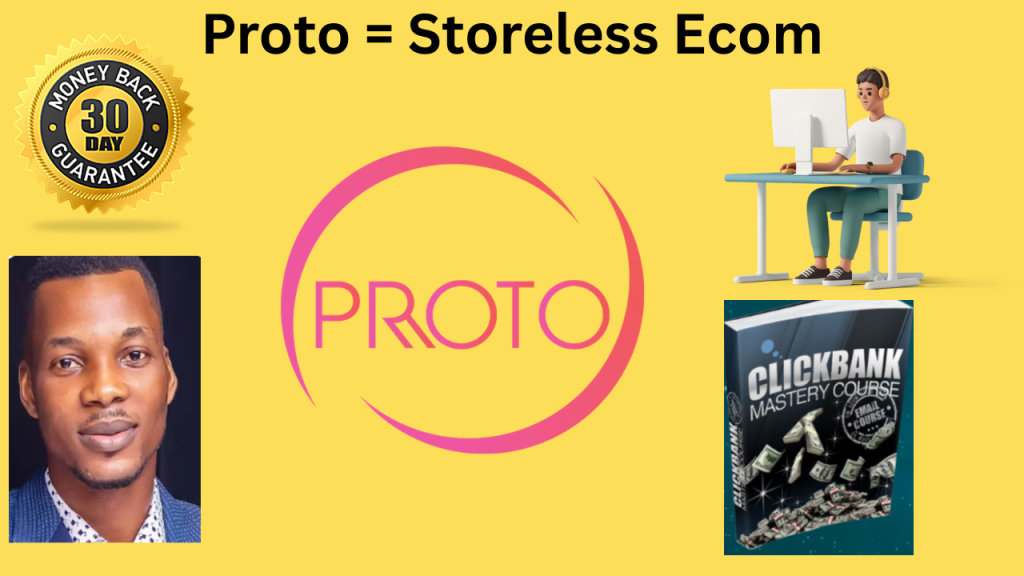
Proto
Click HereFor Bonuses
Proto
Proto Is The World’s First App That Builds “eCom Super-Funnels” That Converts 10x Better Than The Regular Stores/Shopify/Amazon & Generates $1000 – $3000 Daily
It Also Comes Loaded With Hundreds Of HOT Trending Products, Supplier’s Link, Price Markups, Facebook Creativity, Videos, Targeting & Every Other Tool You Need To Crush eCom.
Print-On-Demand Ecommerce Store - Get Noticed Online
A print-on-demand ecommerce store doesn’t get noticed online because it exists. It gets noticed because it stands for something that people can recognize the moment they see it. In a space where thousands of products are added every day, visibility is not created through volume alone. It is created through clarity. What you offer, who it is for, and why it matters—all of it needs to come through without effort from the person seeing it. Because attention is short, and if what you present is not immediately understood, it is easily passed over.
Most stores struggle not because the products are poor, but because the direction behind them is unclear. Designs are created without a defined purpose. Niches are chosen without being fully understood. And the result is a store that feels scattered—something that could be for anyone, which often means it connects with no one. Getting noticed begins when that changes. When you move away from trying to appeal broadly and instead focus on something specific, something that reflects a clear idea or identity. That focus becomes the anchor for everything that follows.
A print-on-demand store that stands out is built around a concept, not just a catalogue. It might be a perspective, a message, or a shared experience that a certain group of people immediately recognizes as their own. When that connection is present, the product becomes more than something to buy. It becomes something that represents how they see themselves, or how they want to be seen. And that is what creates attention that lasts longer than a passing glance.
But attention, on its own, is not enough. What matters is what happens after someone notices your store. Do they understand what you are offering? Do they feel like it was created with them in mind? Is there a sense of consistency across what they see, or does it feel disconnected? These questions determine whether attention turns into interest, and whether interest leads to action. Because being noticed is only the first step. What follows is what determines whether your store grows.
This is where structure begins to matter. Not rigid systems that remove creativity, but a clear way of building and presenting what you create. When your designs, your messaging, and your overall presentation align, they reinforce each other. Each product supports the idea behind your store. Each piece of content reflects the same direction. And over time, that consistency builds recognition. People begin to associate your store with something specific, something they can return to because it feels familiar.
Getting noticed online also requires a shift in how you think about content. Your store is not separate from the way people find you. The designs you create, the ideas behind them, and the way you present them all contribute to how visible you become. Instead of relying solely on listings and hoping they are discovered, you begin to show what you are building. You share the ideas behind your designs, the meaning behind your niche, and the way your products fit into someone’s life. This creates a bridge between your store and the people who are most likely to connect with it.

As this process continues, something begins to take shape. You are no longer trying to be seen by everyone. You are being recognized by the right people. And that difference is what makes growth sustainable. Because when your store resonates with a specific group, it becomes easier to create products they will value. It becomes easier to communicate in a way that feels natural. And it becomes easier to build something that can expand without losing its identity.
There will still be moments where progress feels slow. Where visibility takes time to build, and where results are not immediate. This is part of the process. Because getting noticed in a way that lasts is different from getting noticed quickly. Quick attention can come and go. But recognition, built over time through consistency and clarity, creates something more stable. It creates a foundation that allows your store to continue growing without needing to constantly start over.
Another part of this is learning to refine what you are doing. Not by abandoning your direction, but by improving how you express it. You begin to notice which designs connect more strongly, which messages feel clearer, and which ideas resonate with your audience. And instead of moving on to something completely new, you build on those insights. You deepen what is already working, allowing it to evolve rather than replacing it. This is what turns a store from something experimental into something established.
Over time, the way you approach your store begins to change. It feels less like something you are trying to make work, and more like something you are developing. Each step adds to what already exists. Each improvement strengthens the overall structure. And in that process, getting noticed becomes less about effort and more about alignment. You are no longer trying to force attention. You are creating something that naturally draws it.
In the end, a print-on-demand ecommerce store gets noticed online not because of how much it produces, but because of how clearly it communicates. It stands out when it reflects something real, something consistent, and something that people can connect with without needing it to be explained. And when that clarity is supported by consistent action, thoughtful design, and a willingness to refine what you are building, the result is not just visibility, but recognition.
That is what allows it to grow. Not in sudden bursts, but in steady progression. Built on a foundation that holds, guided by a direction that remains clear, and supported by a process that continues to move forward. Because in a space where so much is temporary, what lasts is what is built with intention—and what is developed long enough to be seen for what it truly is.
take Action Today
All succeessful people are quick decision makers. Why is this? Because they have learned to always act now because to act tomorrow is something that never comes because it turns into today.
Article Writing - What Kinds of Articles Can You Write?
Article writing is often approached as a task—something to complete, something to publish, something to add to a growing list of content. But when you look at it more closely, it becomes something else entirely. It becomes a way of thinking on the page. A way of taking ideas that are still forming and giving them structure, direction, and meaning. The kind of articles you can write is not limited by format as much as it is shaped by how you see what you are trying to communicate. Because every article, at its core, is an attempt to move someone from one point of understanding to another.
There are articles that explain. These are the ones that take something unclear and make it usable. They break down ideas, not to simplify them beyond recognition, but to make them accessible. When written well, they do more than inform. They remove friction. They allow someone to move forward without feeling like they are guessing. And that is what gives them value. Not the amount of information they contain, but the clarity they create.
There are also articles that guide. These don’t just explain what something is—they show what to do with it. They provide a sense of direction, a sequence that someone can follow. But what makes them effective is not the steps themselves. It is the way those steps are connected. Each one leads naturally into the next, creating a flow that feels practical rather than overwhelming. When someone finishes reading, they are not left with more to think about. They are left with something they can begin.
Then there are articles that shift perspective. These are often quieter, less structured, but deeply influential. They don’t rely on instruction. They rely on insight. They take something familiar and show it in a way that feels new, not because it has changed, but because the way it is seen has changed. These articles often stay with people longer. They influence decisions, not by telling someone what to do, but by helping them see why they might choose differently.
Some articles are built to connect. They are written in a way that reflects a shared experience, something the reader recognizes immediately. These articles don’t need to explain everything. They resonate because they feel accurate. They put words to something the reader has already felt but may not have fully understood. And in doing that, they create trust. Because when someone feels understood, they become more open to what follows.
There are also articles that persuade, though not in the way many expect. They do not push or pressure. Instead, they build a case slowly. They present an idea, support it with reasoning, and allow the reader to come to their own conclusion. This kind of persuasion feels different. It respects the reader’s ability to decide. And because of that, it often leads to stronger, more lasting action.

Some articles are designed to explore. They do not begin with a fixed outcome in mind. Instead, they move through an idea, examining it from different angles, allowing the meaning to develop as the article unfolds. These pieces often feel more reflective. They invite the reader to think alongside the writer, rather than simply receive information. And in doing so, they create a deeper level of engagement.
What matters is not choosing one type over another, but understanding how each one serves a purpose. Because the kind of article you write should match what you are trying to achieve. If clarity is needed, you explain. If action is needed, you guide. If a shift is needed, you offer perspective. When the intention is clear, the structure begins to form naturally.
Over time, something else begins to develop. Your voice becomes more defined. Not because you are trying to create a style, but because you are consistently expressing ideas in a way that reflects how you think. This is what gives your writing a sense of continuity. Readers begin to recognize not just what you write about, but how you approach it. And that recognition creates familiarity, which in turn creates trust.
It is also important to understand that writing articles is not about getting everything right in a single attempt. It is a process of refinement. Each article helps you see something more clearly. Each idea you work through strengthens your ability to communicate the next one. And over time, this accumulation becomes noticeable. What once felt difficult begins to feel more natural. What once required effort begins to flow more easily.
Another aspect that shapes the kind of articles you write is the audience you are speaking to. Not in a superficial sense, but in terms of where they are and what they need. An article written for someone just beginning will differ from one written for someone with more experience. The depth changes. The language changes. The focus shifts. And when you align your writing with the reader’s position, it becomes more effective, because it meets them where they are instead of expecting them to adjust.
In the end, the question is not simply what kinds of articles you can write. It is how you choose to use them. Because articles are not just content. They are tools. Tools that can clarify, guide, connect, and influence. And when they are used with intention, they become part of something larger. They contribute to a body of work that reflects your thinking, your understanding, and your ability to help others move forward.
That is where their real value lies. Not in how many you produce, but in how they are shaped. In the clarity they create, the direction they provide, and the perspective they offer. Because when an article is written with purpose, it does more than fill space. It becomes something that carries meaning—something that continues to work long after it has been read.